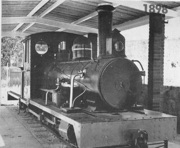
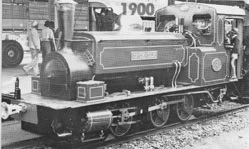
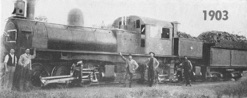
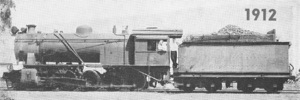
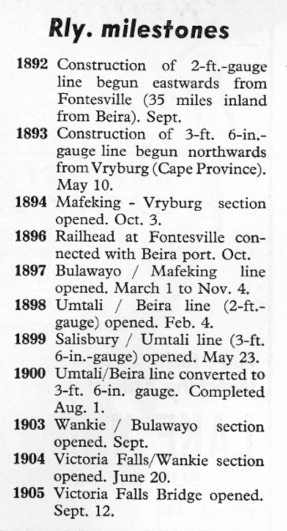
In 1903, according to the official register, Rhodesia Railways had 50 locomotives. That year, It ordered two more (Nos. 51 and 52), but their slowness, heavy consumption of coal and water, and overheating in the cabs led to a comparatively short life. When they were withdrawn from service nine years later and dismantled, the boiler or one of them went into service at the laundry of the Falls Hotel.
By the outbreak of the Great War in 1914, the railways could boast of nearly 100 locomotives, operating on the main and branch lines of Rhodesia itself and also on the Beira and Bechuanaland sectors. Later, it should be noted, Rhodesia Railways took over the whole of the Bechuanaland line from South African Railways.
Perhaps the most successful conventional locomotive to be used was the 12th class, also known as the "Mountain Type", which for many years was the principal source of motive power throughout the main line. First introduced in 1926, over 50 of them were in operation on Bulawayo - Bechuanaland line.
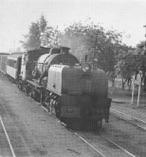
1926 also the entry into service of the first Beyer-Peacock Garratt articulated locomotives - the 13th class. These were originally purchased for use on a heavily graded section of the Beira line, which, until 1949, was operated as part or Rhodesia Railways.
In 1927, title of the railway system was changed from Beira & Mashonaland & Rhodesia Railways, by which it had been known since the early days, to Rhodesia Railways.
Continued development of the system led to the acquisition of larger and more powerful locomotives. The 13th and 14th class units were put into service on the heavier graded section of the Beira line, which, until 1949, was operated as part of Rhodesia Railways.
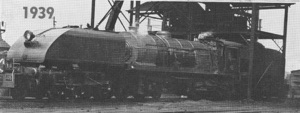
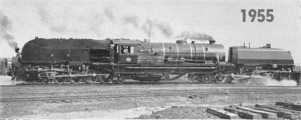
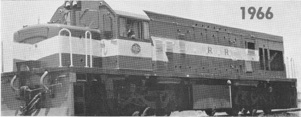
The advent of the Second World War saw the introduction of the 15th class locomotives, which were "grey hounds" by comparison with any other steam locomotives on the Rhodesia Railways system. A later in this type, the 20th class, were giants weighing 225 tons. They have mechanical stokers, their water tanks hold 8,000 gal. each and their bunkers carry 14 tons of coal. There were 59 of them.